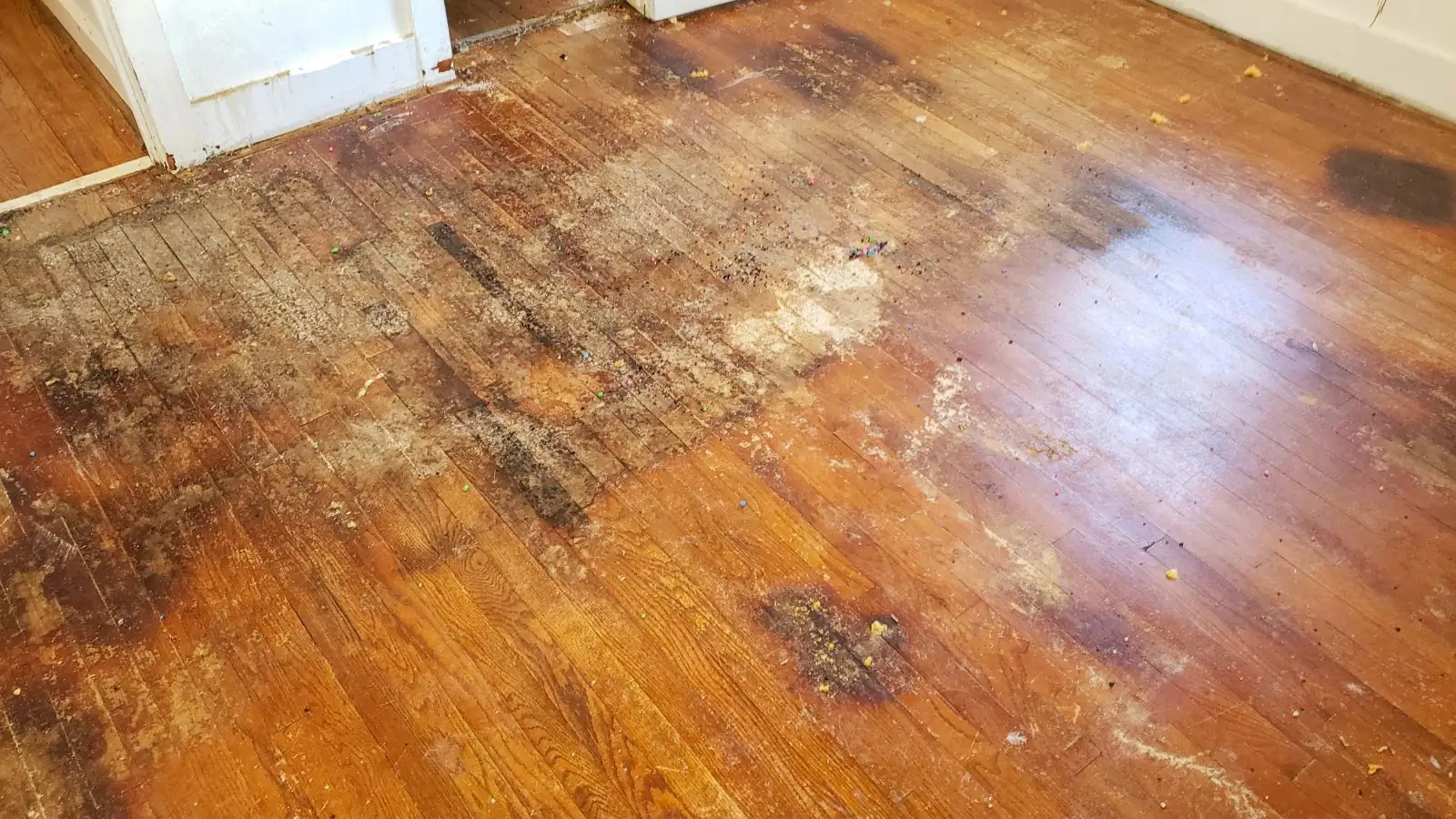
Wood takes up water and holds it, which makes it a favorite surface for mold. Surface growth on sealed or finished wood is often manageable. Growth that has gone into the grain, or into structural framing, is a bigger decision.
This guide walks through a careful way to clean surface mold on wood, the limits of cleaning and the point where replacement or professional work makes more sense. It makes no health claims. If anyone in the home has a medical concern, ask a doctor before doing the work yourself.
The ANSI/IICRC S520 standard for mold remediation is the published reference for removal and cleaning, and a company should be able to say whether it follows it.
Fix the moisture first
Cleaning without fixing the cause is a short-term fix. If a leak, a damp wall or a humid room keeps the wood wet, growth will return. Find the source, stop it and let the wood dry before you start.
Wood should dry thoroughly, which can take days. A moisture meter helps, and fans and a dehumidifier speed it up. Our structural drying page describes how professionals measure and finish this stage.
Protect yourself and the house
Cleaning disturbs spores, so wear an N95 or better respirator, goggles and gloves. Close doors to other rooms, cover vents and open a window with a fan blowing out. Keep children and pets away from the work area.
Never mix cleaning products. Combining household chemicals can create dangerous fumes. Choose one method and ventilate well.
Cleaning surface growth step by step
For finished or sealed wood with light growth, start with a vacuum fitted with a HEPA filter to pick up loose material. Then wipe with a cloth dampened with a mild detergent solution and rinse with a clean damp cloth. Dry the surface fully.
Avoid soaking the wood, because added water feeds the problem. Dispose of used rags in a sealed bag.
- Fix the water source and dry the wood.
- Put on a respirator, goggles and gloves.
- HEPA-vacuum loose growth from the surface.
- Wipe with detergent and water, then rinse lightly.
- Dry fully and watch the spot for several weeks.
Water damage in your house right now? Call the 24/7 line and describe it.
Raw, rough or deeply stained wood
Unfinished lumber, rough framing and old decking absorb growth into the grain. Scrubbing can leave stain behind, and sanding removes some surface but sends dust into the air. If you sand, use containment and a HEPA vacuum at the sander.
Dark staining that remains after cleaning does not always mean live growth. Wood can stay discolored. Soft, crumbly or spongy wood is a different issue, because that is rot and it affects strength.
When to replace instead of clean
Wood that is soft, cracked or crumbling should be replaced, not cleaned. Structural members, such as joists, rafters and sill plates, need a professional look before you decide, because replacing them affects the building.
If growth covers a large area, runs through insulation or sits behind finished walls, the job is beyond routine cleaning. The mold remediation page explains containment, removal and verification.
Decks, trim and outdoor wood
Exterior wood faces constant moisture, so green or black patches on a deck, fence or fascia are common. A stiff brush, mild detergent and plenty of rinsing handle most surface growth outdoors, and a dry, sunny stretch helps the wood stay clean.
Sealing or staining after the wood has dried slows the return. Skip the pressure washer set too high, because it can raise the grain and drive water into the board.
Keep a record of what you did
Note the date, the area and the method. If growth returns in the same place within a few weeks, that is useful information for whoever looks next, and for your insurer if water caused it.
Photographs before and after cleaning make it easy to see whether a spot is truly gone or just lighter.
Protecting stored wood and firewood
Firewood stacked against the house, lumber stored in a damp garage and wooden shelves in a basement all invite growth. Keep stacks off the ground on pallets, leave a gap from the wall and cover only the top.
Check stored boards before bringing them inside, because growth that arrives on lumber can spread to the rest of a finished room.
Prevent the return
Keep indoor humidity below about 50 percent where possible, vent bathrooms and dryers outside, and keep gutters clear. Keep firewood and stored lumber off the ground and away from the house.
Check the area after rain and after the heating season starts. A recurring spot means the moisture is still there.
West Milford note: wet seasons and wood
The township's groundwater study reports normal annual precipitation of 51.4 inches, and wood that sits outside or near a foundation sees that moisture all year. Decks, sill plates and basement framing are the usual first places to show growth in a wet spell.
Homeowners in Wanaque and Butler describe the same cycle after long rain: a damp corner, a musty smell, then staining on the trim. Catching it early keeps the job small.
Not sure what you are looking at? Call and describe it. We explain the likely scope.
Frequently asked questions
Some people use it on light surface growth, and it can work on sealed wood. It does not reach growth in the grain. Whatever you use, fix the moisture source.
Surface mold stains wood but does not weaken it. Rot, which comes from long-term moisture, does. Soft or crumbling wood needs a professional assessment.
Light sanding can remove surface growth, but it makes dust. Use a HEPA vacuum at the sander and contain the area. Large areas call for a professional.
Basement wood faces the most moisture on sloped lots where runoff reaches the foundation. Good drainage and a dehumidifier help.