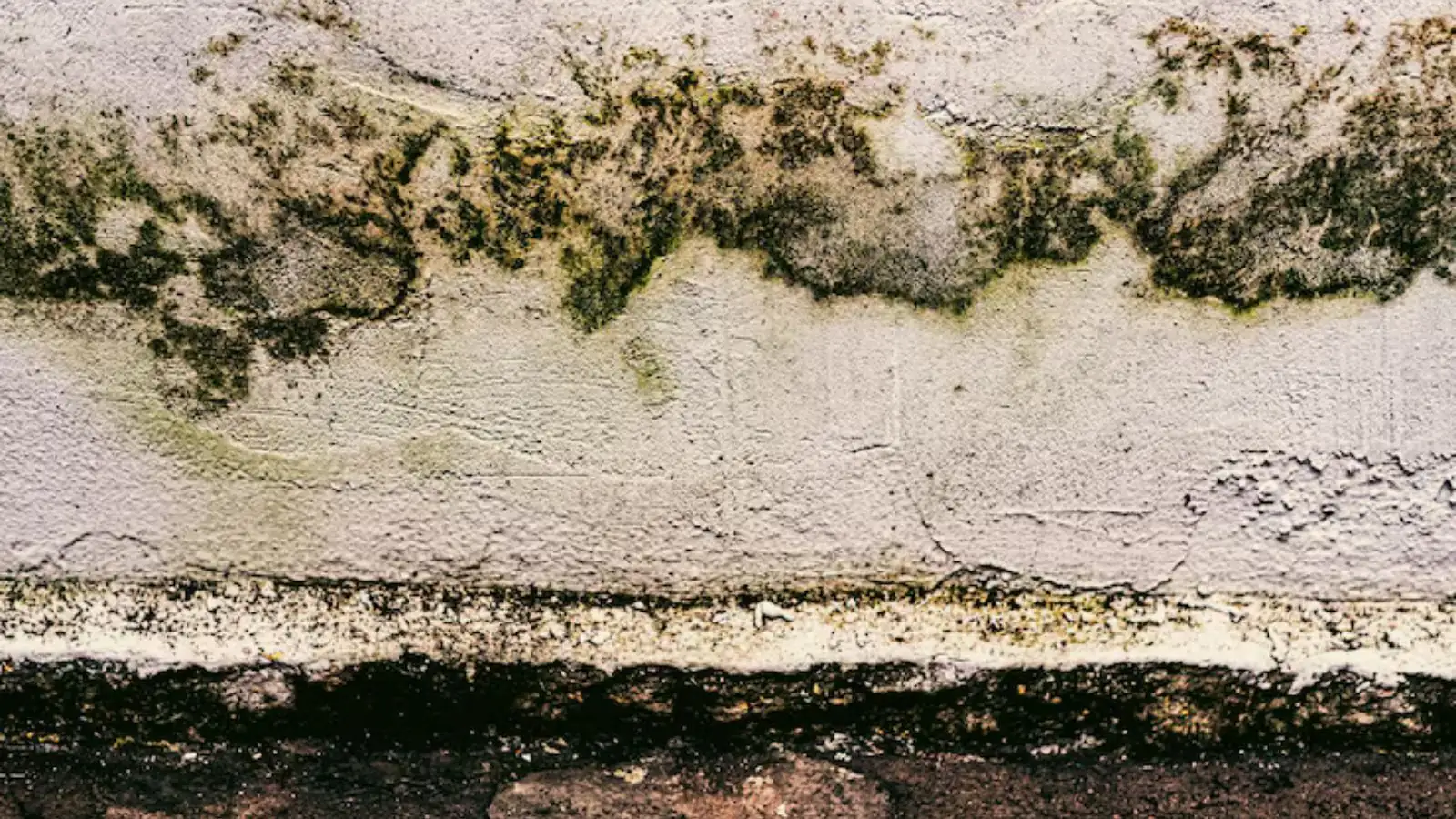
Mold remediation is the containment and removal of mold growth, the cleaning of affected surfaces, and the correction of the moisture that caused it. In West Milford, mold often follows a water loss that was not fully dried, or a chronic leak in a basement, bathroom or attic. Dispatch is open 24/7 for water losses that could lead to mold, and ZIP 07480 is covered.
If you see or smell mold, avoid disturbing it, stop any active water source, and keep the area closed off. Do not use bleach or run fans that spread spores. Photograph the area and note when you first noticed it.
This page does not diagnose or make health claims. Health questions belong to a physician.
Musty smell or dark spots on a wall: do you need mold remediation?
A musty smell, dark or fuzzy spots, peeling paint and a past leak are signs to check. Mold needs moisture, so the first question is whether a water source is still active. A small spot on a hard surface may be cleaned by a homeowner, while spots on drywall, or a large area, need professional help.
A moisture meter and an inspection show whether growth is present and how far it goes. Testing is a separate step, and a qualified assessor can advise on it.
How remediation follows a standard
ANSI/IICRC S520 is the published industry standard for professional mold remediation. It describes containment, air filtration and removal of affected materials. Ask any company whether its crews work to it.
The steps are to fix the moisture source, set containment, run HEPA air filtration, remove affected porous materials, clean hard surfaces and dry the structure. Verification afterwards confirms the work.
Why moisture comes first in West Milford
The township's groundwater study reports normal annual precipitation of 51.4 inches. Damp basements, crawl spaces and attics are common places for moisture to linger. If water is not removed quickly, the structural drying step is what prevents growth.
The New Jersey Department of Health publishes Mold Guidelines for New Jersey Residents, a public resource worth reading. For basements and crawl spaces, see basement water damage cleanup and crawl space water damage.
What is removed and what is cleaned
Porous materials with growth are usually removed. Hard surfaces can often be cleaned. The scope depends on how far growth extends and what it is on.
| Surface | Typical approach | Notes |
|---|---|---|
| Drywall with growth | Remove and replace | Porous and hard to clean. |
| Wood framing | Clean and dry | Can often be cleaned if sound. |
| Concrete and tile | Clean | Hard surface. |
| Insulation | Remove | Porous. |
Options and honest trade-offs
Cleaning a small area is cheaper, but may miss hidden growth. Full remediation costs more and includes containment. Be wary of any promise that mold will never return. If moisture returns, growth can too.
Ask whether your state licenses mold work and what documentation the company provides. We do not state licensing rules here, so check with the state agency.
What changes the cost
Mold remediation depends on the area and what is affected.
Area and extent
More area means more containment and labor.
Materials affected
Drywall and insulation are replaced.
Access
Attics and crawl spaces add work.
Moisture source
Fixing the source is separate.
Concerned about mold? Call and describe what you see and where.
What a clearance check is
After remediation, a post-remediation check confirms that the work area is clean and dry. It may be a visual inspection, moisture readings and sometimes air or surface sampling. Many assessors prefer that the company that did the work is not the one that clears it, so ask who will perform it.
If you are selling or refinancing, a lender or buyer may ask for the result in writing. Keep the report with your home records.
Questions to ask a remediation company
Ask whether the crews work to ANSI/IICRC S520, what containment will be used, how the moisture source will be addressed and how the area will be verified. Ask for the scope in writing, and ask what is not included.
A company that avoids these questions is a warning sign. A clear written scope and a plain explanation of the limits are what you want.
Insurance and mold
Mold coverage varies and some policies limit it. Ask your insurer. The New Jersey Department of Banking and Insurance guide advises prompt reporting and keeping receipts.
Document the area before cleanup.
Frequently asked questions
Home kits exist, but results can be hard to interpret. A qualified assessor can advise.
Bleach does not fix the moisture source and can leave porous materials damp. Follow professional guidance.
If moisture returns, it can. Fixing the source is the key.
Yes. The dispatch line covers West Milford, including ZIP 07480.