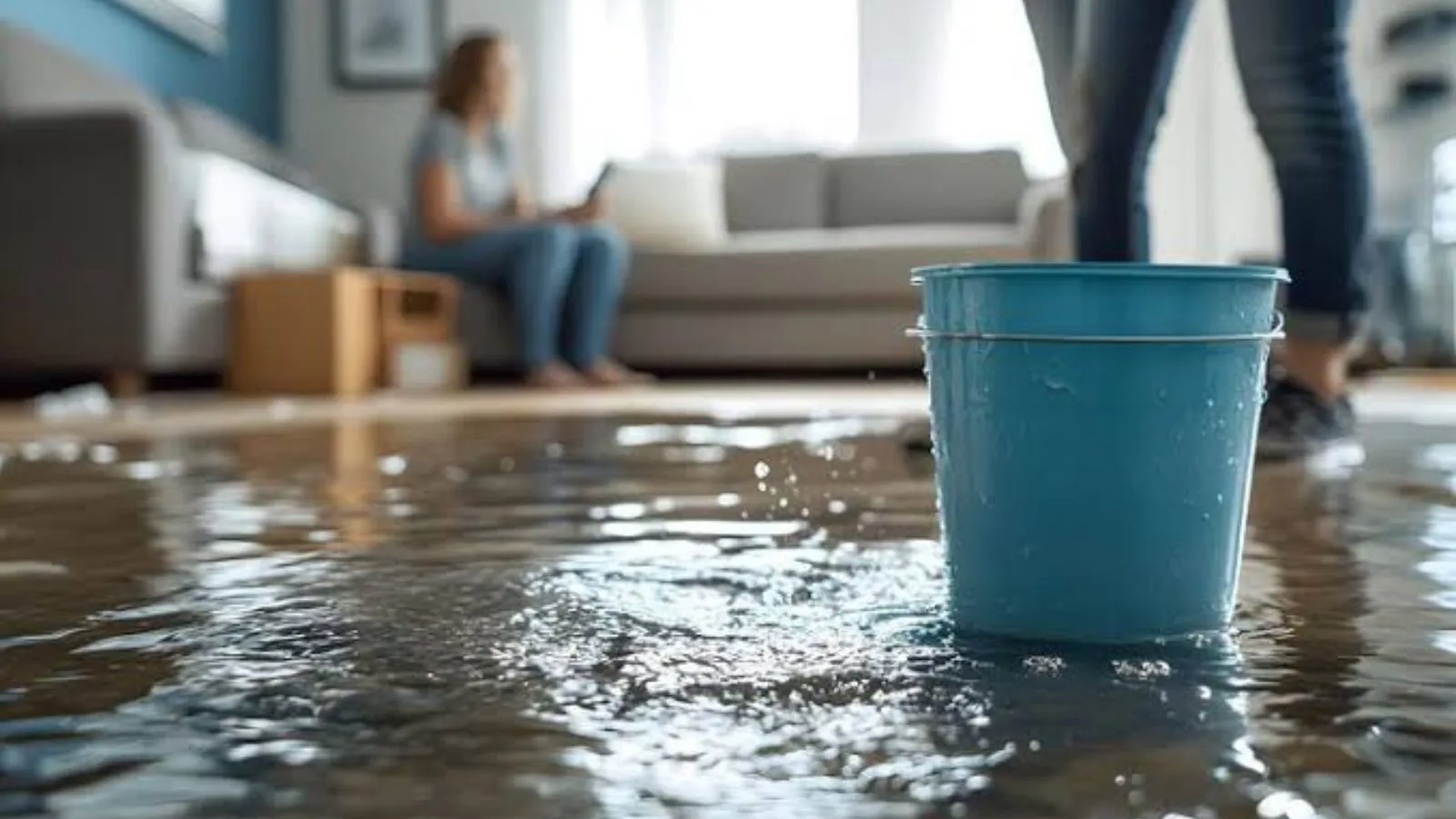
Water extraction is the removal of standing water, and the water held in carpet, pad and flooring, with pumps and wet vacuums so drying can start. If water is on the floor in West Milford right now, treat it as an emergency, because every hour it sits it moves into baseboards, drywall and subfloor. Our dispatch line is open 24/7, including nights and weekends.
While you wait for a crew, stop the source if you can. Shut off the main water valve for a plumbing failure, keep everyone out of the water if any outlet, cord or appliance is touching it, and lift small valuables, rugs and cushions onto dry surfaces. Do not step into water near a panel or a plugged-in device, and call the utility or 911 first if you suspect an electrical or gas hazard.
Extraction is only the first stage. Once the bulk water is gone, the structure still holds moisture that you cannot see, which is why the work moves straight into structural drying and dehumidification.
Professional crews work from the ANSI/IICRC S500 standard for water damage restoration, and it is fair to ask any company whether its technicians follow it.
When standing water is an emergency
Water spreads outward and downward along floors, then wicks upward into walls. Drywall, insulation and the pad under carpet can hold far more water than the standing layer on top suggests. The EPA advises drying wet building materials within 24 to 48 hours to limit mold growth, so a same-day response matters more than a perfect plan.
The urgent cases are the ones where water is still arriving or the source is unknown. A failed supply line, an overflowing tub, a sump pump that stopped, or runoff coming through a foundation wall all keep adding water until someone stops them. If you cannot find the source, say so on the call and describe what you see, and the dispatcher can walk you through the safest next step.
What equipment removes the water
The method depends on how deep the water is and what it sits on. Submersible pumps handle several inches or more. Truck-mounted extraction units pull water out of carpet and pad without lifting every room. Portable extractors and wet vacuums finish hard floors, stairs and tight spaces.
| Situation | Typical equipment | What to expect |
|---|---|---|
| More than an inch of water over a whole level | Submersible pump, then wet vacuum | Bulk water is pumped out first, then the remaining film is lifted. |
| Soaked wall-to-wall carpet | Truck-mounted or portable extraction wand | Carpet and pad are flushed and extracted, and the pad is often removed. |
| Hardwood, tile or vinyl | Squeegees, wet vacuum, floor-drying mats | Water under the surface layer is drawn out through the seams. |
| Finished basement or stairs | Portable extractor and pumps | Access is tight, so the crew works in sections. |
Water on the floor versus water in the floor
Visible water is the easy part. Moisture meters read the wetness inside drywall, framing and subfloor, and thermal imaging shows cool, wet areas behind walls that look dry. A crew uses both to decide what can be dried in place and what has to be cut out.
This is where honest trade-offs come in. Carpet over a clean-water loss can often be saved if it is extracted quickly, while the pad usually cannot. Anything that sat in contaminated water is a different decision, and the sewage backup cleanup page explains why those materials are treated as disposable.
Why West Milford water moves so fast
The township's own groundwater study puts normal annual precipitation at 51.4 inches and notes that about 84 percent of the township has slopes that favor surface runoff. In heavy rain, that runoff concentrates at low corners, walkout basements and window wells. Homes on well water often depend on a sump pump or a pressure pump, and a power outage in the same storm can stop both.
That combination is why many calls here start with a basement that filled while the power was out. If the water came in from outside after a storm, the same crew can help with flood damage cleanup, and a finished lower level is covered on the basement water damage cleanup page.
What changes the cost of extraction
Price depends on the situation, not on a flat rate. Four things move it the most.
Water category
Clean supply-line water is the simplest. Gray or black water adds protective gear, disposal and sanitizing.
Depth and area
More square footage and deeper water mean more pumping time and more equipment on site.
Materials affected
Carpet, pad, hardwood and insulation each change what is extracted, removed or dried.
Time of the call
Night and weekend dispatch is available, and scope is explained before work starts.
Want a real number? Describe the water and the rooms, and the dispatcher explains the likely scope.
What to do while you wait for the crew
Close the main valve if a pipe is the source. Keep everyone out of water that touches an outlet, cord or appliance. Lift furniture legs onto blocks and pull up small rugs, but leave wet carpet in place for the crew to assess.
Do not use a household vacuum on water. Take photographs from a dry spot, and write down when you first saw the water.
Insurance and documentation
Many homeowners policies cover sudden and accidental water damage. Gradual leaks and neglect often are not covered, and flood damage usually needs a separate flood policy. The New Jersey Department of Banking and Insurance guide for homeowners tells policyholders to make temporary repairs to protect the property, keep receipts and call the insurer as soon as possible. Check your own policy or ask your insurer, because wording varies.
Take photos of the water, the source and the affected rooms before anything is moved. Photos plus a written scope help a claim, and we never promise approval or a payout.
Frequently asked questions
Yes. The dispatch line is open 24/7, and a night or weekend call is handled the same way as a weekday one. We explain the scope and price before work starts, and the crew is sent as soon as one is available.
A shop vacuum can remove a thin film on a hard floor. It will not reach water inside carpet pad, wall cavities or subfloor, which is where most of the damage develops. If the water is deeper than a puddle or has been there more than a day, professional extraction and drying is the safer route.
Extraction removes the water. Drying the structure is a separate stage with air movers and dehumidifiers, and it usually follows right away. The scope you are given before work starts will list both.
Yes. Those neighborhoods are inside West Milford Township, and the same 24/7 line covers them along with the rest of the township.