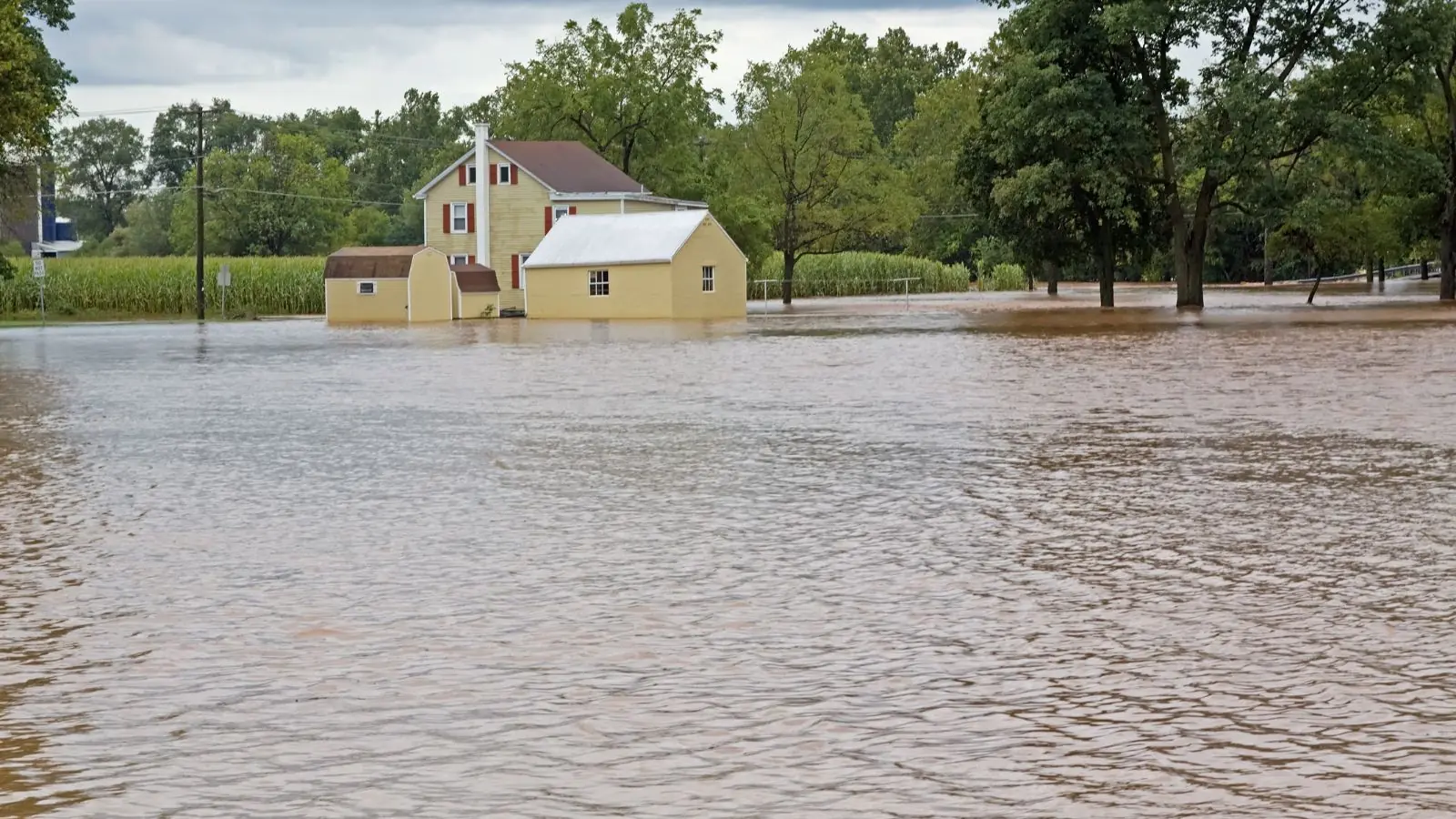
Storm water damage cleanup is the removal of water that entered a building during or after a storm, and the drying of the materials it soaked. In West Milford, storms are an emergency when water is coming through a roof, window or foundation, and they often arrive with power outages. Our dispatch line is open 24/7 during and after storms.
If it is safe, stop the water from entering. Move belongings away from leaks, put buckets under drips and keep people away from sagging ceilings and downed wires. Do not wade into a flooded basement if the power is on. Call the utility or 911 for electrical hazards first.
Local news reported that about 3,000 township residents lost power during Hurricane Irene in 2011. Power outages stop sump pumps and well pumps, and that is how many storm basements start filling. Local pages for Macopin and Hewitt summarize storm events reported in those parts of the township.
Storm emergency: first steps when water is coming in
Put safety first. Stay away from windows during high wind, and from rooms with water near outlets. Photograph damage as soon as it is safe, because storm claims depend on documentation.
If a tree or limb hit the roof, do not climb up. Call a roofer or tree service for the exterior, and call us for the water inside. We cover the part of the job that happens after water enters.
How storms hit homes here
The township's groundwater study notes about 51.4 inches of normal annual precipitation and slopes that send runoff downhill. Heavy rain concentrates at foundations, window wells and low corners. Wind-driven rain can enter through flashing, siding and window frames.
A storm can also cause flooding from creeks and lakes, which is covered on the flood damage cleanup page. Water that comes through a roof is a ceiling problem, covered on ceiling water damage repair.
What cleanup looks like after a storm
The crew finds where water entered, extracts it and measures moisture. Wet insulation, carpet and drywall are removed or dried depending on how long they were wet. Storm water that picked up soil and debris is treated as contaminated.
| How water entered | Common damage | Usual response |
|---|---|---|
| Roof or flashing | Ceiling stains, wet insulation | Release trapped water, dry or replace ceiling. |
| Window or wall | Wet drywall, trim, flooring | Dry wall cavity, check framing. |
| Foundation or basement | Wet floor, wall base | Extract, dry, check for contaminated water. |
| Gutters and downspouts | Foundation seepage | Dry and address the drainage source. |
Options and honest trade-offs
Temporary measures like tarping and boarding belong to roofers and contractors. We handle the water inside the home. Waiting for a storm to pass before calling is understandable, but wet materials degrade fast.
If the loss includes a flooded lower level, the basement water damage cleanup page covers that case. If drywall is soaked, see wall and drywall water damage repair.
What changes the cost
Storm jobs vary by how much water entered.
Entry point
Roof leaks and foundation water need different approaches.
Contamination
Storm water that picked up soil is handled with more protection.
Area affected
More rooms mean more equipment.
Drying time
Equipment stays until readings reach dry standards.
Storm water inside? Call and tell the dispatcher how it entered.
After the storm has passed
Once the weather clears, walk the property with a flashlight and look for wet ceilings, damp walls and standing water near the foundation. Check the attic if you can reach it safely. Note any new stains and photograph them with the date.
Clear gutters and downspouts when it is safe, and direct water away from the foundation. A crew can dry what is wet, but the next storm will bring the same water back if drainage is not addressed.
Insurance and storm damage
Wind-driven rain through a damaged roof is often covered, while flood water from the ground usually needs a separate flood policy. The New Jersey Department of Banking and Insurance guide for homeowners says homeowners policies exclude flood damage. Flood coverage is available through the National Flood Insurance Program. Ask your insurer how your policy applies.
Photograph the damage and keep receipts for temporary repairs.
Frequently asked questions
Yes. The line is open 24/7. Storm calls often come at night, and we take them.
Call as soon as it is safe. The dispatcher can explain what to do while the storm passes.
No. A roofer or contractor handles the exterior. We handle the water inside.
Tell the dispatcher. Crews can bring power and equipment, and safety comes first.