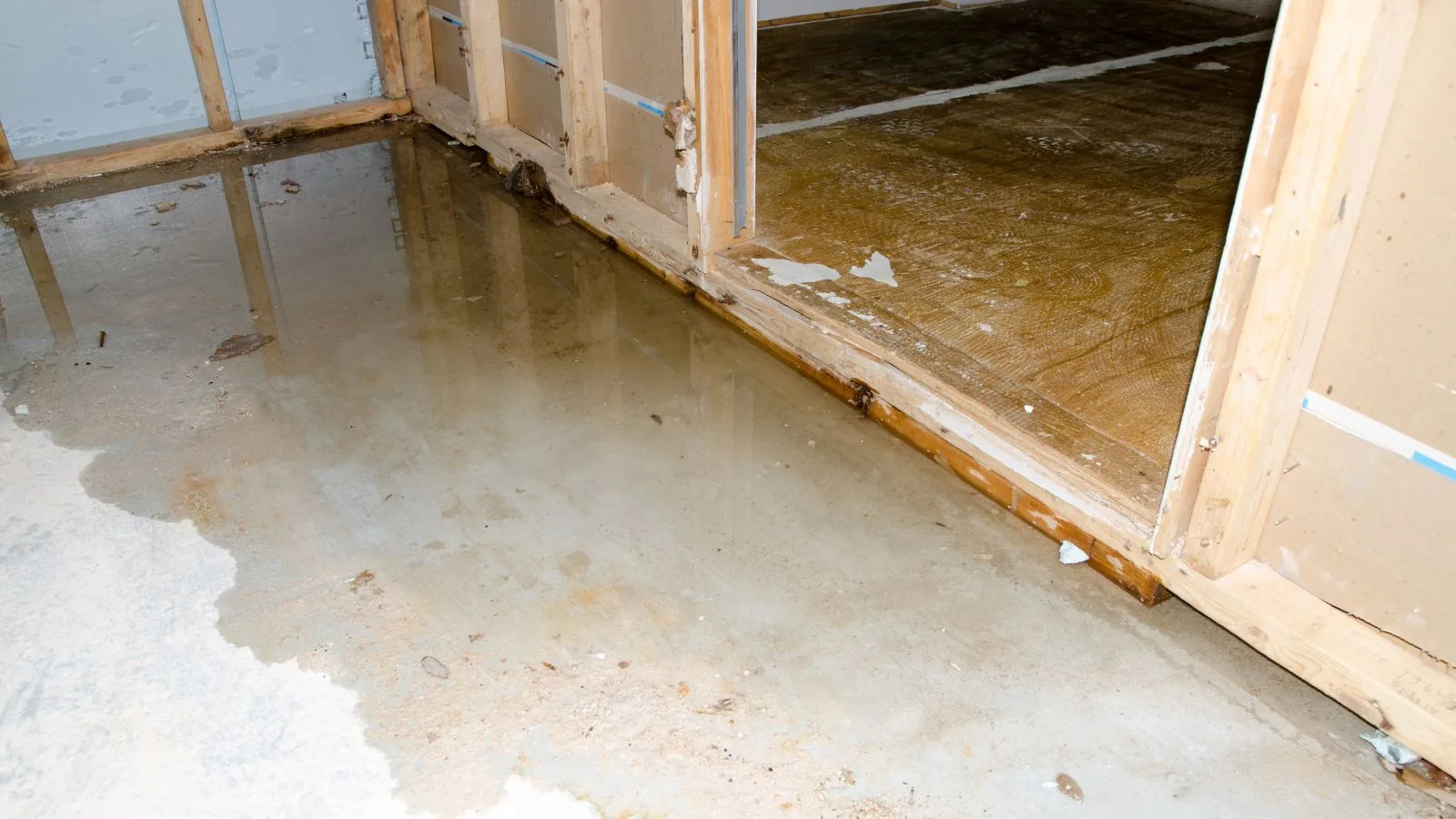
Sewage backup cleanup is the removal of contaminated wastewater, the porous materials it soaked, and the sanitizing of what remains. A backup in West Milford is an emergency, because sewage is Category 3 water and everything it touches is handled as contaminated. Our dispatch line is open 24/7 for sewage calls.
Stay out of the affected area and keep children and pets away. Do not run water, flush toilets or use drains, because that adds to the backup. If the water is near electrical outlets or the panel, call the utility or 911 before anything else.
Do not try to wash sewage away with a mop or shop vacuum. That spreads contamination and puts you at risk.
Sewage backups often reach a lower level, so the basement water damage cleanup page also applies, and structural drying follows the cleanup. The line also covers Butler and nearby towns.
Sewage coming up the drain right now: what to do first
If water or waste is coming up a floor drain, tub or toilet, stop using water in the house. Leave the area, close doors to contain it, and call. If the backup follows heavy rain, the cause may be a municipal line or a private line, and the plumber or utility can tell you which.
Photograph the backup before cleanup, and note what is affected. A crew will explain what is removed and what stays.
Sewer or septic: the difference in West Milford
The answer depends on how your home is served. A 2018 order from the New Jersey Board of Public Utilities approved the transfer of the township's municipal water and sewer systems to Suez Water New Jersey, and it described those systems as serving about 20 percent of the township. The township's own groundwater study reports that about 72 percent of the township has severe septic limitations.
That means many homes are on septic systems, and a septic backup is a property problem, not a municipal one. If you are on a sewer system, a blockage in the street line can send waste into your lowest drain. Either way, the cleanup inside the home is the same, and your plumber or utility finds the cause.
Why sewage is treated differently
Sewage and floodwater are Category 3 water in the language of the ANSI/IICRC S500 water damage standard. Porous materials like carpet, pad, insulation and drywall that touched it are usually removed, because they cannot be reliably cleaned. Hard surfaces are cleaned and sanitized.
| Material | After sewage contact | Reason |
|---|---|---|
| Carpet and pad | Removed | Cannot be reliably sanitized. |
| Drywall and insulation | Cut out and replaced | Wicks contaminated water. |
| Concrete and tile | Cleaned and sanitized | Hard and non-porous. |
| Furniture and contents | Case by case | Soft items are usually discarded. |
How cleanup and sanitizing are done
The crew wears protective gear, extracts the water, removes affected materials and bags them for disposal. Surfaces are cleaned and treated with antimicrobial products, and the area is dried with air movers and dehumidifiers. Air scrubbers can be used where odor remains.
The scope is explained before work starts, including what is removed. If the water also came from a storm, the flood damage cleanup page covers the wider response.
What changes the cost
Sewage cleanup is more involved than clean-water work.
Amount and area
More area means more material removed.
Protective gear and disposal
Contaminated debris is handled and bagged.
Materials affected
Carpet, drywall and insulation are replaced.
Sanitizing and drying
Treatment and drying time add to the scope.
Sewage in the house? Call and describe where it is coming from.
What to document and what to throw away
Photograph the backup, the waterline and the items affected before anything is bagged. Make a list of contents that touched the water. Porous soft goods like upholstery, mattresses and stuffed items are usually discarded, while hard items can often be cleaned.
Do not wash contaminated clothing with other laundry, and do not keep food that touched the water. Wear gloves and wash your hands after touching anything from the affected area. A crew can handle the removal and disposal safely.
Insurance and sewer backups
The New Jersey Department of Banking and Insurance guide for homeowners lists sewer backup or sump pump overflow among common exclusions, and says limited coverage can be added by endorsement. Check your policy and ask your agent whether you carry that endorsement.
Document the damage and keep receipts. We do not promise a claim result.
Frequently asked questions
Yes. The line is open 24/7, and sewage calls are treated as urgent. The scope and price are explained before work starts.
The source is different. A septic backup is on your property system, and a sewer backup is a municipal line problem. The cleanup inside the home is similar.
Small spills on hard surfaces can be cleaned with protective gear. Larger backups, or anything that touched carpet or drywall, should be handled by professionals.
Removing contaminated materials and drying the space is how odors are addressed. Air scrubbers may be used.