Structural drying is the controlled removal of moisture from building materials using air movers, dehumidifiers and moisture readings until the structure reaches dry standards. In West Milford it follows water extraction and runs for days, because wood, drywall and concrete release water slowly. Dispatch is open 24/7 when wet materials need attention right away.
If you are waiting on a crew, keep the heat on, open closet doors and cabinet doors, and remove loose items from wet floors. Do not run a space heater near wet drywall or carpet. Photograph the damaged areas and write down when the water started.
Drying is science, not guesswork. The goal is to bring materials back to their normal moisture level, which is measured, not estimated.
Drying usually follows water extraction and, after a flood, flood damage cleanup. The same line covers Wanaque and the other nearby towns.
Walls feel damp and the room smells musty days after the water stopped: do you need structural drying?
Yes, if materials are still wet. A musty smell, cool damp walls, soft baseboards, a floor that feels cold or sticky, and condensation on windows all point to moisture left behind. These signs can appear days after a leak is fixed.
A room that looks dry can still read wet inside the wall or under the floor. Moisture meters and thermal imaging show that, and a drying plan is built around the readings.
How structural drying works
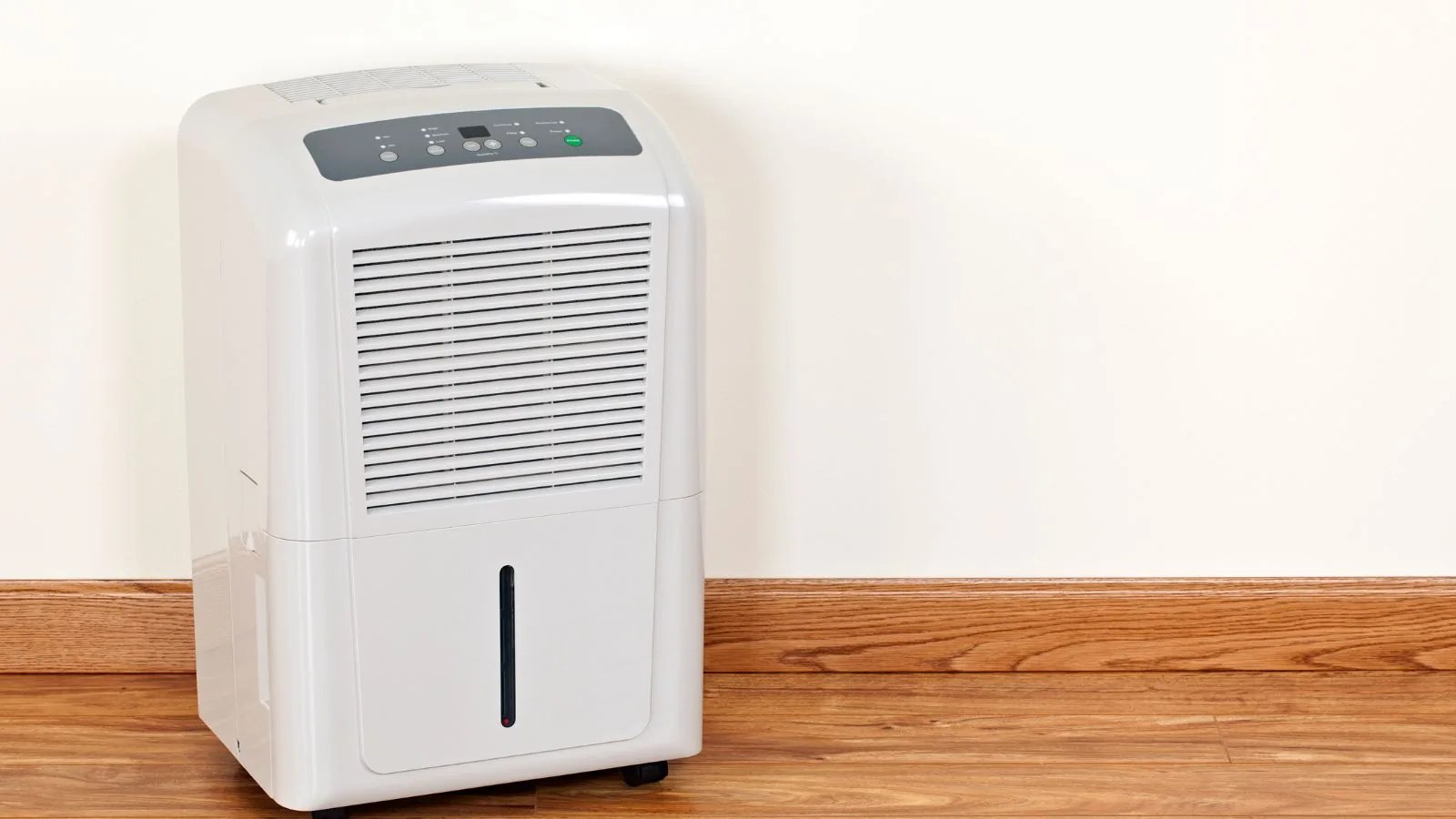
Air movers push air across wet surfaces to evaporate moisture. Dehumidifiers pull that moisture out of the air so it does not settle on other materials. Low-grain refrigerant (LGR) dehumidifiers work well in most homes, and desiccant units are used in colder spaces.
Equipment placement matters. Drying a wall cavity may mean drilling small holes or removing baseboard so air reaches the inside. The crew checks readings daily and adjusts equipment until the materials reach dry standards.
Why the weather in West Milford matters
The township's groundwater study reports normal annual precipitation of 51.4 inches. Humid summers slow drying in basements and crawl spaces, and winter heat can help or hurt depending on the building. Outdoor air is not always drier than the air inside.
That is why the crew monitors indoor conditions and not just the weather. Wet basements and below-grade spaces dry more slowly, which is explained on the basement water damage cleanup page.
What is dried in place and what is removed
The aim is to save what can be saved. Hardwood, drywall and framing are often dried in place when the water was clean and fast action was taken. Insulation, carpet pad and anything contaminated is removed.
| Material | Dry in place? | Notes |
|---|---|---|
| Framing and subfloor | Usually yes | Wood dries well with air movement and dehumidification. |
| Drywall | Sometimes | Clean water and quick action help. |
| Insulation | Usually replaced | Holds water against framing. |
| Carpet pad | Usually replaced | Cheap to replace, hard to dry. |
| Concrete | Yes, slowly | Takes the longest to reach dry readings. |
What changes the drying cost
Drying costs depend on the equipment and the days it stays.
Square footage and ceiling height
More area or volume means more equipment.
Material types
Concrete and thick framing take longer than drywall.
Days of drying
Equipment stays until readings reach dry standards.
Daily monitoring
Readings and adjustments are part of the scope.
Want to know if your structure is still wet? Call and describe what happened and how long ago.
What daily monitoring looks like
On the first day the crew records readings and sets equipment. Each following day they check the same points and write down the numbers, then move or remove equipment as areas reach dry. The final visit confirms that readings match the dry standard for each material.
These logs are useful if an insurer asks for proof of drying. Ask for a copy of the readings, and ask what dry reading the crew is aiming for in each material.
What to do while equipment is running
Keep doors and windows closed unless the crew tells you otherwise, and do not unplug or move the air movers or dehumidifiers. Empty any collection tank that is not plumbed to a drain.
Do not turn the heat down to save money. Warmer air holds more moisture, which helps the drying. Call if equipment stops or the noise changes.
Insurance and documentation
Many insurers ask for drying logs that show moisture readings and equipment days. Ask your insurer what documentation it needs. The New Jersey Department of Banking and Insurance guide advises keeping receipts and notes on conversations. Ask your insurer what applies to your policy.
We document readings and explain the scope. We do not promise how a claim will be decided.
Frequently asked questions
Wood, drywall and concrete release moisture slowly. Equipment stays until readings reach dry standards.
Air movers and dehumidifiers need continuous operation to keep moisture moving out of the materials and out of the air.
Not reliably. Moisture meters measure what the eye and hand cannot.
Not by itself, but starting quickly limits damage. If water is still present, call the 24/7 line.