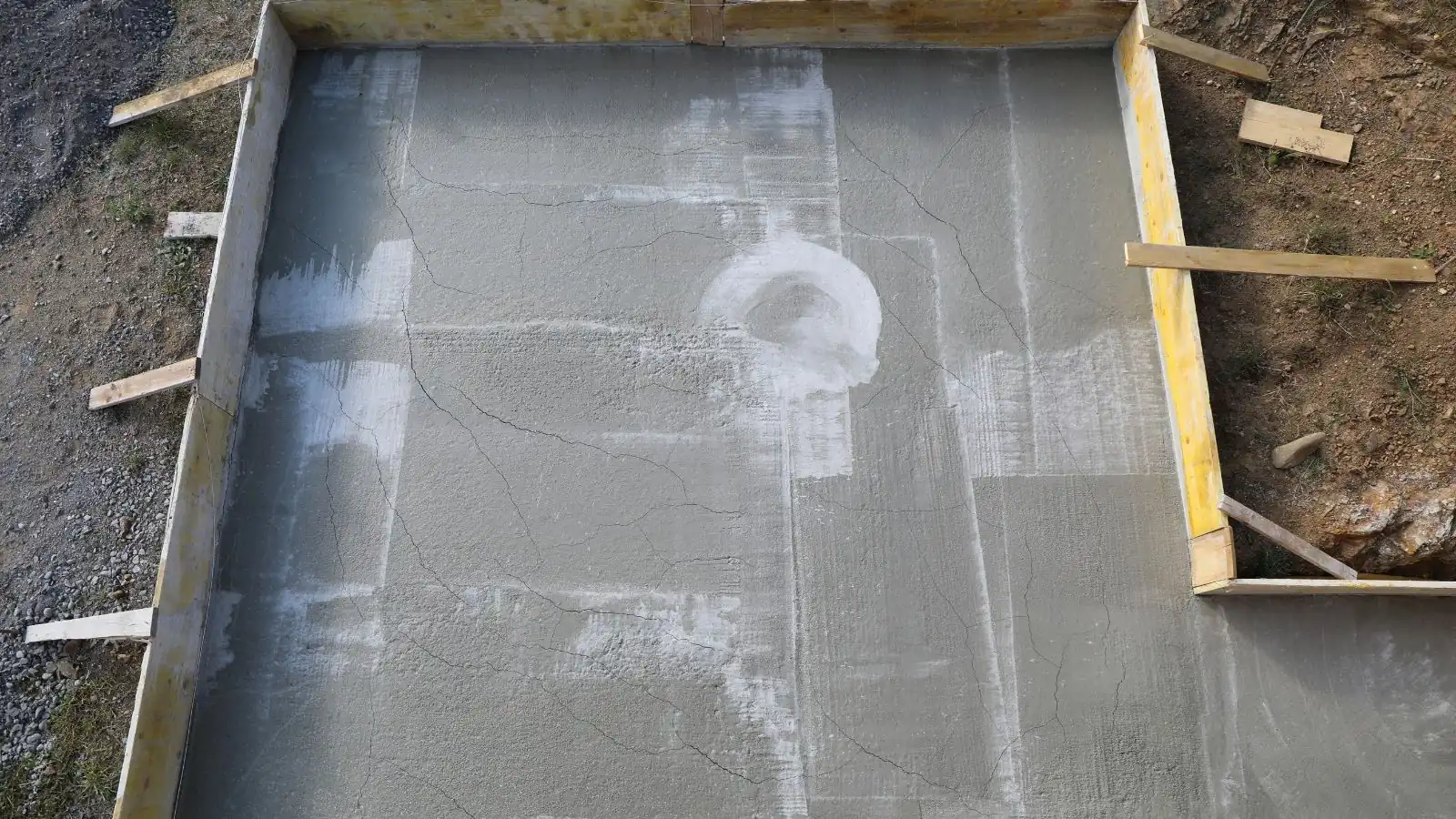
Slab leak water damage is the wet damage that follows when a water line under or inside a concrete slab leaks. The water spreads into the slab, the soil and the flooring above. In West Milford, a slab leak is an emergency when water is surfacing, a floor is warm or a bill jumps, because water under a slab keeps flowing and cannot be seen. Our dispatch line is open 24/7.
Close the main water valve if you suspect a slab leak, and check the water meter after everything is off. If the meter keeps moving, the leak is somewhere in the line. Move rugs and furniture off wet floors, and keep people away from outlets near water.
Whether your home has a slab depends on how it was built. We do not have a local figure on how often slab leaks happen in West Milford, so we focus on how to recognize and handle one.
Once the plumber has fixed the line, drying follows the ANSI/IICRC S500 water damage standard, and you can ask a company to explain how it meets it.
While the plumber works, water extraction removes what has reached the floor, and structural drying follows. The line also covers Butler and nearby towns.
Warm floor spots, a hissing sound or a high bill: is it a slab leak?
Several signs point to a leak under concrete. A warm spot on the floor can mean a hot water line is leaking beneath. A faint hiss or running water sound with all fixtures off suggests a pressurized leak. A water bill that jumps with no change in use is a common first clue.
Other signs include damp carpet over a slab, cracked flooring or baseboards, and a musty smell near an outside wall. A plumbing leak detection service can locate the leak without breaking the slab, and then restoration handles the water damage.
Slab leak emergency: what happens if you wait
Water under a slab spreads into soil and then moves up through cracks, expansion joints and the edges of the slab. Flooring over the slab, like hardwood or laminate, soaks from below. The longer the leak runs, the wetter the slab and the soil under it become.
If your water meter is moving and nothing is running, close the main valve and call. A plumber confirms the leak, and a restoration crew dries the floor and removes what is wet.
Where slabs show up in homes here
Full basements and crawl spaces are common in this part of New Jersey, but slabs still appear in additions, garages, walkout levels and some lake houses. If a room sits on a concrete pad, a leak in the line beneath it behaves like a slab leak. The township's groundwater study notes thin glacial till with rock outcrop across about 65 percent of the township, so soil depth varies a lot from lot to lot.
That variation matters for repairs, not for the drying. After the leak is fixed, the slab and the floor above still need to dry, as covered on the structural drying and dehumidification page.
How slab leak water damage is dried
Drying a slab takes time because concrete holds moisture. The crew measures slab moisture, removes flooring that has soaked, and runs dehumidifiers and air movers. Some flooring, like tile, can stay. Carpet and pad, laminate and hardwood often cannot.
| Flooring over the slab | Likely outcome | Reason |
|---|---|---|
| Tile | Often stays, grout and subfloor checked | Hard and non-porous. |
| Carpet and pad | Pad removed, carpet sometimes saved | Pad holds water. |
| Laminate or vinyl plank | Usually removed | Swells and delaminates. |
| Hardwood over a slab | Often removed | Cups and buckles from moisture below. |
What changes the cost
Slab leak cleanup varies. The plumbing repair is separate from the water damage work.
Leak location and duration
A long-running leak means a wetter slab and soil.
Flooring
Tile is cheaper to handle than hardwood or carpet over a slab.
Drying time
Concrete dries slowly, so the equipment stays longer.
Access
Furniture removal and wall access change the labor.
Suspect a leak under the floor? Call and describe the signs.
How a plumber and a restoration crew divide the work
A plumber locates and repairs the leak, which can mean breaking a section of slab or rerouting a line through the walls. The restoration crew dries the slab, removes ruined flooring and measures moisture afterward. The two jobs overlap, so tell both what the other is doing.
Ask for the leak location in writing and keep the plumber's invoice. Both help an insurance claim, and both tell the next owner what was done.
What to do when you suspect a slab leak
Check the water meter with every fixture off, and turn off the main valve if it keeps moving. Stay off a floor that is warm, soft or wet, and keep children and pets away from any area where water is surfacing.
Do not cut into a slab or tile yourself. A plumber confirms the leak, and the crew handles the water that has already spread.
Insurance and slab leaks
Coverage for slab leaks varies. Some policies cover the water damage but not the repair of the pipe itself, and wear or corrosion can change the outcome. Read your policy or ask your insurer, and note that the New Jersey Department of Banking and Insurance guide advises prompt reporting and keeping receipts.
Keep the plumber's leak report, because it helps explain the source.
Frequently asked questions
Yes. The line is open 24/7. If you see water surfacing or your meter is running, call at any hour.
Look for a concrete floor with no basement or crawl space beneath it, such as an addition or garage. Your home inspection report or plans will confirm it.
Often yes. Plumbing leak detection uses listening and thermal tools to locate the line before any cutting.
No. A plumber repairs the pipe. We dry the slab and the rooms above it.