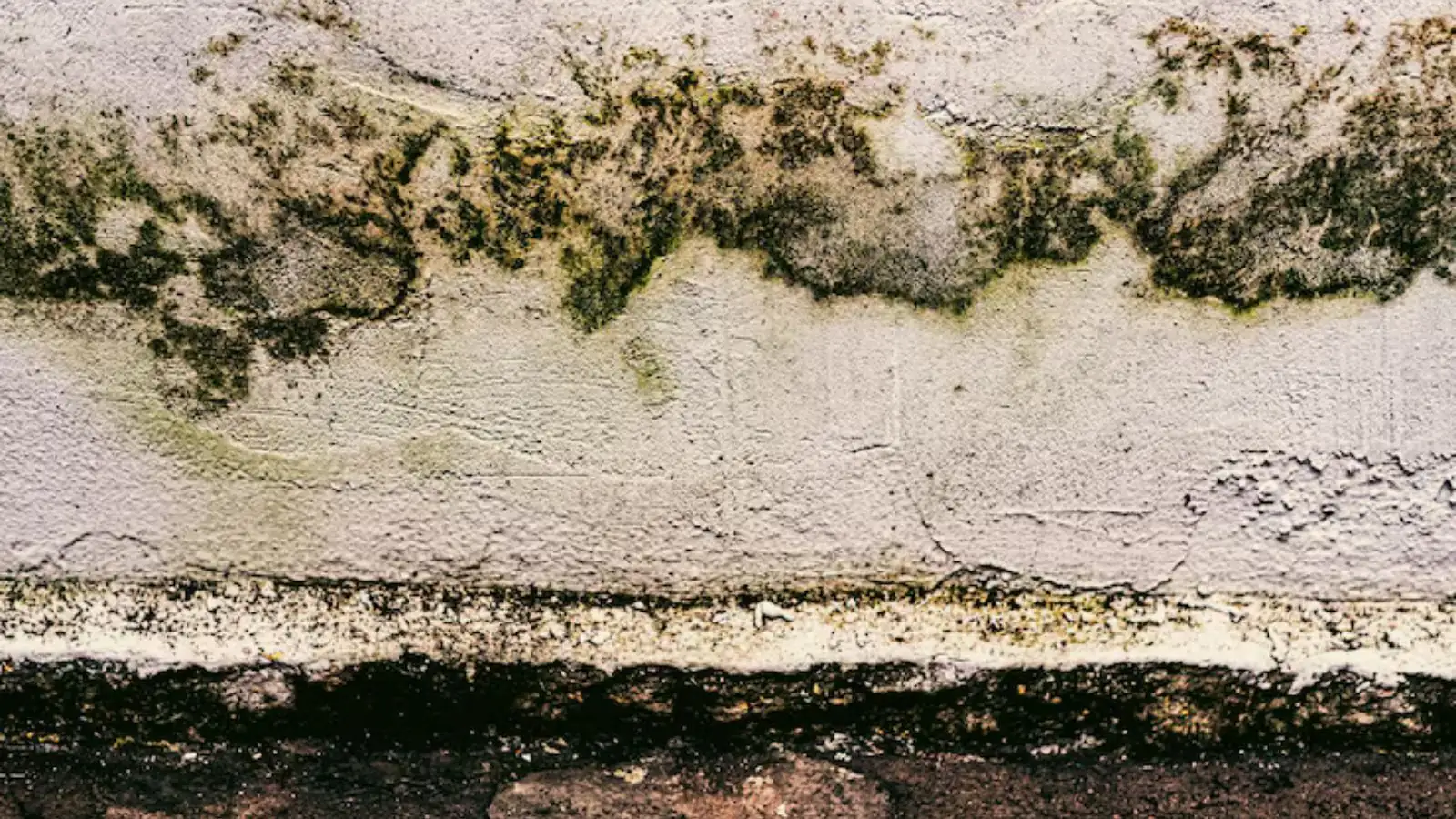
Mold coverage is one of the most variable parts of a homeowners policy. Some policies exclude it. Some cover it only when it follows a covered water loss, and some cap it at a low dollar limit. The wording of your own policy decides.
This guide explains how coverage is usually structured, so you know which questions to ask your agent. We are not an insurer or adjuster, and nothing here predicts what a carrier will pay.
Cause matters most
Insurers usually look at why the mold is there. If it grew because of a sudden, covered event such as a burst pipe, the mold may be covered as part of that loss, sometimes with a limit. If it grew from long-term humidity, a slow leak or neglect, coverage is less likely.
This ties back to the water. If the water damage is covered and dried promptly, there is less chance of a mold dispute later.
Look for limits and exclusions
Many policies contain a fungi, wet rot or mold exclusion, with limited coverage added back under certain conditions. Look for sublimits, which cap the amount paid for mold, and for endorsements that raise them.
Read the definitions. Terms such as sudden, accidental and ensuing loss have specific meanings that affect the outcome.
| Question to ask | Why it matters |
|---|---|
| Is mold excluded or limited? | Sets the maximum payment. |
| Does coverage depend on a covered water loss? | Links mold to the original cause. |
| Is there a separate mold deductible? | Changes the out-of-pocket cost. |
| Does the policy pay for testing? | Affects documentation costs. |
| Is a mold endorsement available? | May raise the limit. |
Speed protects coverage
Policies expect you to limit further damage. Delay in drying a covered loss can be argued as a failure to protect the property, and growth that follows delay may be treated as preventable.
Dry quickly and keep records of when you started. The structural drying page explains the process and the moisture readings that document it.
Water damage in your house right now? Call the 24/7 line and describe it.
Document the mold
Photograph growth and the area around it. Keep invoices for testing and cleanup. Save written scope and clearance reports.
If an adjuster visits, show them the moisture source and the dated records. The more precisely you link the mold to a covered event, the clearer the conversation.
What cleanup involves
Mold cleanup means fixing the moisture, containing the area, removing ruined porous material and cleaning what remains. The mold remediation page explains the steps.
We explain the scope and price before work starts. We do not bill insurers directly or promise approval of a claim.
Mold after a flood
Flood policies and homeowners policies treat mold differently from each other. A flood policy has its own terms, and the National Flood Insurance Program publishes the standard wording that applies to those policies.
Ask your flood insurer how it treats mold that develops after a covered flood, what it requires you to do in the first days and what proof it wants.
The role of documentation
The clearer your record of the water event, the easier it is to connect later mold to it. Keep dated photographs, drying logs, moisture readings and receipts.
If a claim is denied, the same records support a conversation with the insurer or with the state insurance department.
What not to assume
Do not assume that a mold limit is large, or that it applies to every kind of loss. Do not assume your agent knows the answer without checking the policy. Ask for the policy language itself and read it.
Do not assume you can wait. Growth that follows a delay is the hardest kind to tie to a covered event.
What to do first when you find mold after a loss
Stop the moisture, photograph the growth and the area around it, and call your agent before you disturb anything large. Do not scrub or demolish a big area until the carrier has had a chance to see it, unless it is a hazard.
Keep a list of what you moved and when, and save receipts for drying equipment and testing.
Mold limits and why they matter
A low sublimit can be used up fast. Cleanup, testing and replacement of materials all draw from the same limit, so a small cap may cover only part of a moderate job.
Ask your agent to explain the limit in terms of a realistic project, such as a wet basement wall, so the number means something.
Questions for your agent today
You do not have to wait for a loss. Call your agent and ask how the policy treats mold, what the limit is and whether you can raise it. Write down the answers.
It is much easier to adjust coverage before a loss than after.
West Milford note: floods and the flood policy gap
The New Jersey Department of Banking and Insurance guide for homeowners states that homeowners policies exclude flood damage. Mold that follows a flood is therefore often tied to a loss the homeowners policy does not cover, and a separate flood policy has its own terms.
Residents of Bloomingdale and Butler near the Pequannock River should ask specifically how a flood policy treats mold that follows the water.
Not sure what you are looking at? Call and describe it. We explain the likely scope.
Frequently asked questions
Often it can be, depending on the policy wording and any mold limit. Ask your agent and keep records.
Usually not. Humidity or long-term neglect is a common exclusion.
Some insurers offer an endorsement. Ask your agent what is available and what it costs.
It depends on the policy. Ask how it treats mold that follows a flood, and read the exclusions.