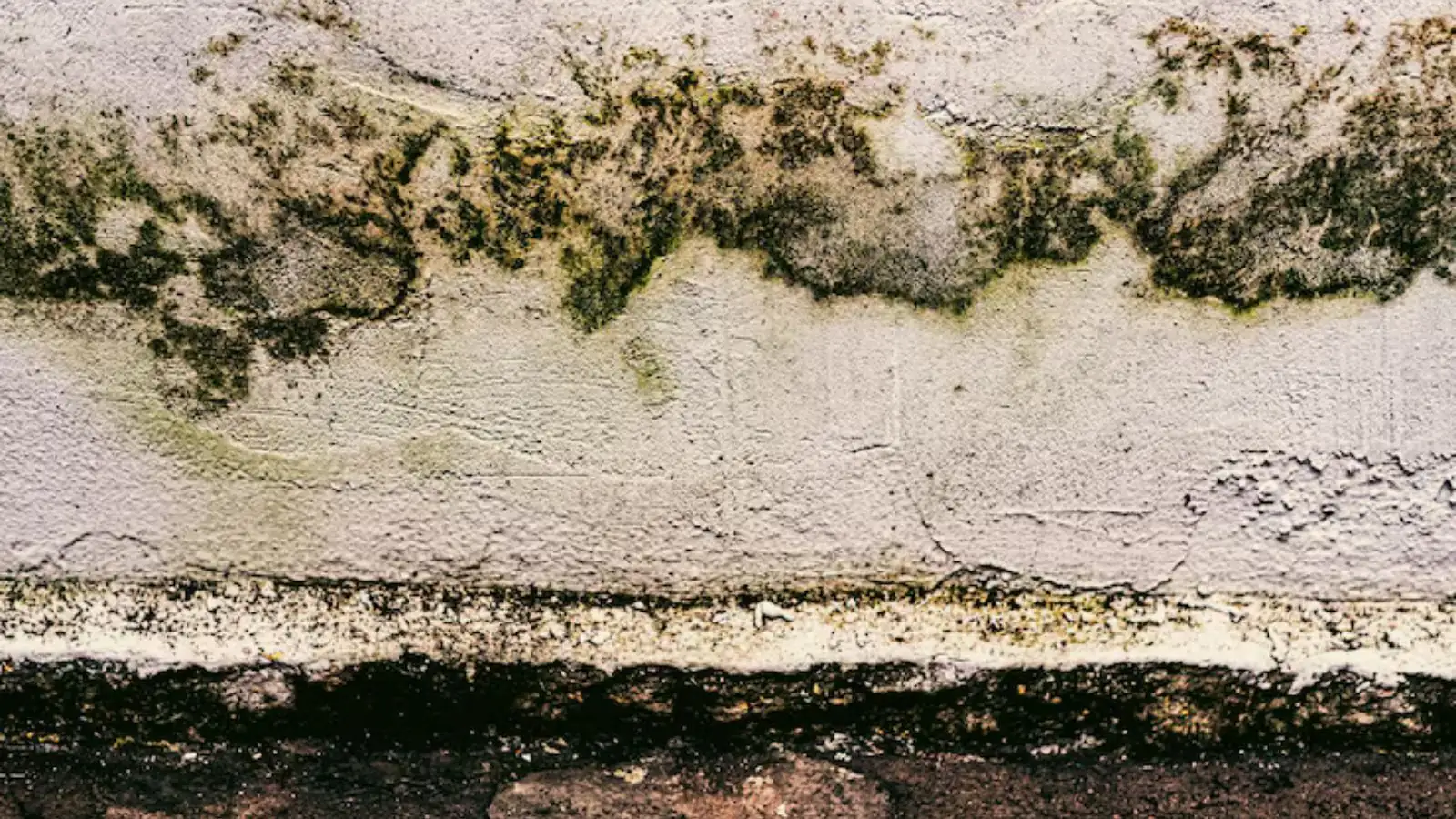
Mold needs three things: a surface to grow on, the right temperature and moisture that lasts. Most homes already have the first two, so finding mold usually means finding a source of dampness. The fastest way to detect it is to look for the moisture first and the growth second.
This guide covers what to look for, where it hides and when a test or a professional adds value. It does not make health claims, because we are a restoration service and not a medical source. If you have health concerns about your home, talk to a doctor.
Professionals who handle mold follow the ANSI/IICRC S520 standard for mold remediation, which is a published reference you can ask about.
Start with your nose and your eyes
A persistent musty or earthy smell is often the first sign, especially in a basement, closet or bathroom that has been closed up. The smell can come from growth you cannot see, such as the back of drywall or the underside of carpet.
Visible signs include fuzzy or speckled patches, discolored grout, bubbling or peeling paint and stains that return after cleaning. Color alone does not identify the type of growth. Green, white, gray and black patches can all be mold, and plenty of dark stains are not.
Look for the water first
Mold follows moisture, so trace it. Look for stains on ceilings under bathrooms and roofs, damp spots at the base of exterior walls, condensation on windows and pipes that sweat in summer. Check under sinks and behind the washer and water heater.
A moisture meter, which many hardware stores sell, gives a reading without opening a wall. High readings in drywall or wood that look dry point to a leak you have not found. If you find one, our structural drying page explains how wet materials are dried.
Common hiding places
Growth likes places with little airflow. Check behind furniture pushed against exterior walls, inside closets on outside corners, around window frames and in the corners of basements. Attics can hold moisture from a roof leak or from bathroom fans that vent into the space.
Crawl spaces and unfinished basements deserve a careful look with a flashlight. Insulation, stored cardboard and wooden framing all hold dampness and show staining early.
| Area | What to look for | Likely moisture source |
|---|---|---|
| Basement walls | White crust, dark patches, musty smell | Seepage or high humidity. |
| Bathroom ceiling | Speckling, peeling paint | Poor ventilation. |
| Under sinks | Stains, soft cabinet bottoms | Slow drip from a fitting. |
| Window frames | Condensation, dark grout lines | Cold glass and indoor humidity. |
| Attic | Stained sheathing, damp insulation | Roof leak or unvented fan. |
Water damage in your house right now? Call the 24/7 line and describe it.
Do you need a test?
A test tells you that spores are present, and most homes have some. It does not tell you how much matters to you without a source and a plan. Visible growth does not need a test to be dealt with, and many testing results are hard to interpret without a professional.
A test can make sense when you smell mold but cannot find it, or when a sale or a loan requires documentation. If you hire anyone to test, ask whether they have a financial stake in doing the cleanup afterward, because separating testing from cleanup avoids a conflict.
Small patches versus a bigger problem
A small patch of surface growth on a hard, nonporous surface, such as tile, can often be cleaned by the homeowner with ordinary care. Growth on drywall, insulation or carpet, or anything larger than a few square feet, is a different job.
The reason is that porous materials hold growth below the surface and the work can spread spores through the house. The mold remediation page explains how containment and removal work. Fix the water source first, because cleaning without fixing the moisture only buys time.
What to do next
Write down where you see signs, take photographs and note any recent leaks, floods or plumbing repairs. Then stop the moisture, dry the area and decide whether the scope is yours or a professional's.
If you are unsure, call and describe what you see. We explain the likely scope, and we tell you when a problem is small enough to handle yourself.
West Milford note: hills, runoff and damp basements
The township's own groundwater study reports that about 84 percent of the township has slopes that favor surface runoff, which means water moves downhill toward foundations on many lots. Homes on those lots tend to show moisture first at the lowest wall and the corner nearest the slope.
If you live near the lakes or the Wanaque River side of town, check the lowest rooms first. Neighbors in Bloomingdale and Ringwood often report the same pattern after long wet spells.
Not sure what you are looking at? Call and describe it. We explain the likely scope.
Frequently asked questions
It can be fuzzy, speckled or slimy, and it can be white, green, gray, brown or black. Color does not identify the type, so look for moisture and a musty smell as well.
Sometimes. A moisture meter, a persistent musty smell and stains that return are signs. Opening a small section of wall is the only way to be sure.
A kit shows that spores exist, which is true of nearly every home. It rarely gives a useful answer by itself. Finding and fixing the moisture matters more.
Not as a rule, but runoff on sloped lots sends water toward foundations, and damp lower walls give growth what it needs. Drainage and gutters matter.